GamificationSummit Ticket Sales Strategies
Selling tickets is one of the biggest challenges for any conference or professional event. GamificationSummit ticket sales effective methods focus on turning online interest into real registrations. Events covering topics such as Gamificationsummit in Business Education and Technology can attract professionals who want to explore practical uses of gamification. These methods combine clear event information, smart pricing, easy checkout, and engaging promotions.
Modern attendees expect a quick and simple way to reserve their seats. Organizers can improve results by removing buying barriers and giving people a clear reason to act early. A strong ticket strategy also helps an event plan its budget, venue, speakers, and attendee services
What Does GamificationSummit Ticket Sales Effective Mean?
The term GamificationSummit ticket sales effective describes strategies that help an event attract and convert more ticket buyers. It covers the full sales journey, from event discovery and promotion to registration, payment, and confirmation.
The idea is not simply to sell as many tickets as possible. Organizers also need to consider revenue, buyer experience, early registrations, referrals, and checkout completion. A successful strategy makes each stage easy for the attendee.
| Key Area | Main Purpose | Expected Benefit |
|---|---|---|
| Event marketing | Build awareness | More website visitors |
| Early pricing | Encourage quick action | Earlier registrations |
| Simple checkout | Reduce buying barriers | Better completion |
| Secure payment | Build buyer confidence | More trust |
| Referral rewards | Encourage sharing | Wider reach |
| Analytics | Measure results | Better decisions |
Why Ticket Sales Matter for a Gamification Summit
Ticket sales provide revenue that helps organizers pay for venues, technology, speakers, marketing, and event services. Strong early sales can also give organizers a clearer idea of expected attendance.
A busy event can create more networking opportunities for visitors. Higher attendance may also make the event more attractive to sponsors and exhibitors. However, organizers should focus on attracting the right audience, not simply increasing visitor numbers.
Start With a Clear Event Value Proposition
People need a strong reason to spend money and time on an event. The event page should quickly explain what attendees can learn, who they can meet, and what experience they will receive.
A clear value proposition can improve ticket sales effective performance because it answers the buyer’s main question. Visitors want to know why this event deserves their attention compared with other conferences.
Organizers should highlight speakers, sessions, workshops, networking opportunities, and useful learning outcomes. The message should remain simple because unclear marketing can make visitors leave before reaching the registration page.
Use Early Bird Pricing to Encourage Action
Early bird pricing gives attendees a financial reason to register before a set date or ticket limit. Eventbrite notes that early registration offers can motivate people to commit sooner when a discount has a clear deadline.
This approach can also help organizers collect revenue earlier in the planning process. The deadline should be genuine and clearly displayed, so buyers understand when the offer ends.
A simple pricing structure may look like this:
| Ticket Type | Main Goal | Best Stage |
|---|---|---|
| Early Bird | Reward early buyers | Initial sales period |
| Standard | Regular admission | Main campaign |
| Group Pass | Attract teams | Main campaign |
| Student Pass | Improve accessibility | Selected events |
| VIP Pass | Offer added benefits | Entire campaign |
Organizers should avoid creating too many ticket choices. A large number of similar options can confuse buyers and make the final decision harder.
Make the Registration Process Simple
A visitor who decides to attend should not face a long or confusing registration form. Registration pages work better when they ask for only the information needed to complete the booking.
This principle plays an important role in ticket sales planning. Long forms add friction, while short forms make it easier for people to move from interest to payment.
Organizers may collect a buyer’s name, email, ticket choice, and essential attendee details first. Other information can often be requested later when it is not needed to process the ticket.
Create a Mobile-Friendly Ticket Experience
Many people discover events through social media, emails, search engines, and messages on their phones. A registration page should therefore work smoothly on a small screen.
Buttons need enough space for easy tapping, while text should remain clear without constant zooming. Forms should also be easy to complete on mobile devices. A smooth mobile checkout can remove a major barrier between interest and purchase.
The payment page should load quickly and show the total cost before the buyer confirms the order. Hidden charges or unexpected steps can weaken trust at the most important stage.
Use Gamification in Ticket Promotion
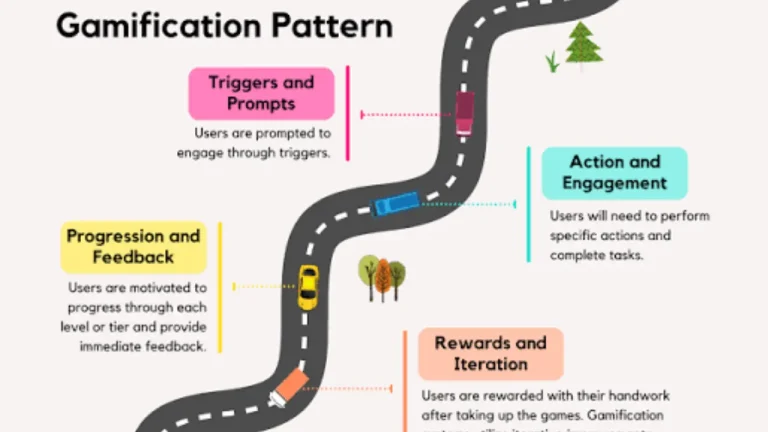
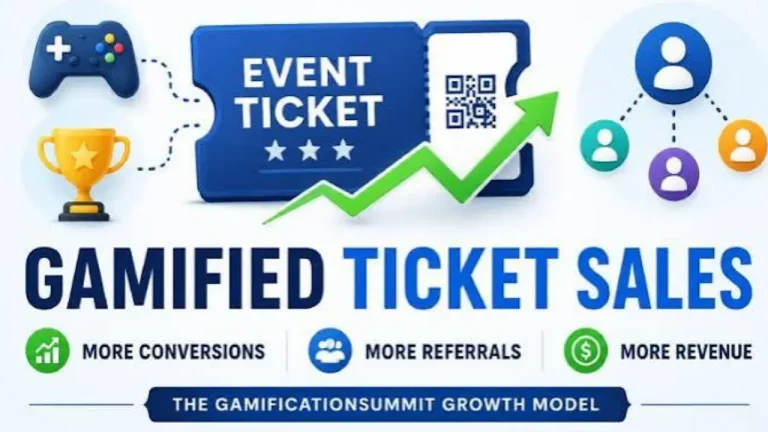
Gamification adds game-like ideas to activities that are not traditional games. Event marketers can use challenges, rewards, progress systems, referral goals, or recognition to make promotion more interactive.
For example, an organizer might reward people who refer friends or complete selected promotional actions. Such ideas can support sales campaigns when the reward provides genuine value.
Gamification should make the buying journey easier or more enjoyable. Organizers should avoid complex challenges that distract visitors from registration. The main goal remains a simple path toward buying a ticket.
Build a Strong Referral Program
People often trust recommendations from colleagues, friends, and professional contacts. A referral campaign can turn existing attendees into promoters by giving them a reason to share the event.
Organizers can provide a unique referral link after registration. They may offer useful rewards when the buyer brings a set number of new attendees. Rewards might include event benefits, upgrades, or discounts where appropriate.
Referral systems can be especially useful for professional events because attendees often work in connected communities. One satisfied buyer may introduce the event to an entire team or professional group.
Use Email Marketing at Different Sales Stages
Email can remind interested people about important ticket deadlines without requiring them to visit the event website every day. Organizers can create different messages for the launch, early bird deadline, speaker announcements, and final registration period.
Each email should have one clear purpose and an easy registration link. This approach strengthens ticket sales campaigns because people receive useful reminders throughout the buying journey.
Organizers should avoid sending the same message too often. Instead, each email can provide new information, such as a confirmed speaker, session topic, workshop, deadline, or attendee benefit.
Promote the Event Through Social Media
Social platforms can help an event reach people who have not joined its email list. Organizers can publish speaker announcements, short videos, attendee stories, session previews, and registration reminders.
Social proof can also build confidence when it reflects real experiences. Photos from earlier events, genuine attendee comments, and confirmed speaker information can show potential buyers what they may experience.
Promotional posts should direct users toward a clear registration page. Sending visitors through several unnecessary pages adds friction and can reduce the chance of completing a purchase.
Make Checkout Secure and Transparent
Buyers need confidence before entering payment information. The checkout page should clearly show the ticket price, applicable fees, refund terms, and payment process.
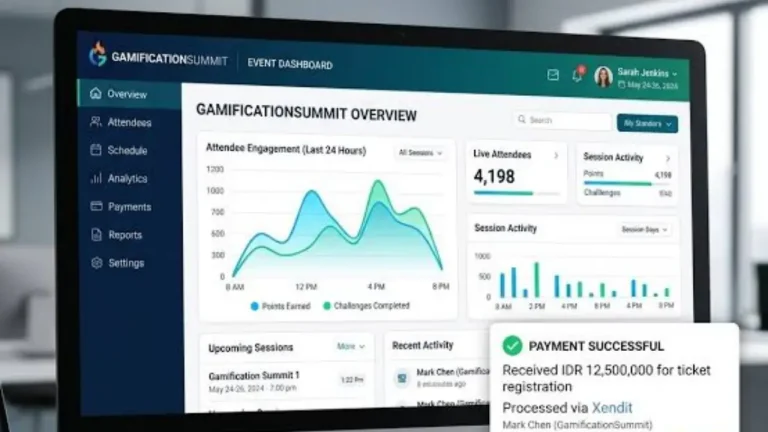
A professional ticket system should also provide confirmation after a successful purchase. Buyers usually expect an email receipt, registration details, and a digital ticket or other proof of entry.
| Checkout Feature | Why It Matters |
|---|---|
| Clear ticket price | Prevents confusion |
| Visible fees | Improves transparency |
| Secure payment | Protects transactions |
| Mobile support | Helps phone users |
| Confirmation email | Confirms registration |
| Digital ticket | Simplifies event entry |
| Support details | Helps solve problems |
Organizers should test the complete checkout process before launching a campaign. A broken payment button or missing confirmation can turn an interested visitor into a lost customer.
Track the Right Ticket Sales Metrics
Data helps organizers understand which marketing methods produce results. Looking only at the total number of tickets sold does not explain why a campaign succeeds or fails.
Sales analysis can include conversion rate, revenue per visitor, cart abandonment, referral activity, and acquisition cost. Organizers can also compare sales from email, search, social media, partners, and paid campaigns.
These numbers reveal weak parts of the customer journey. For example, strong website traffic with few purchases may point to unclear pricing, a weak offer, or checkout problems.
Improve the Landing Page for Better Conversions
An event landing page should answer important questions without forcing visitors to search across several pages. It should clearly present the event date, location, purpose, ticket price, speakers, and main attendee benefits.
The registration button should be easy to find. Organizers can also display refund information, contact options, and trusted payment details near the purchase area to reduce buyer concerns.
A focused page keeps attention on the event rather than unrelated content. Clear headings and short paragraphs also make the information easier to scan on both desktop and mobile screens.
Create Real Urgency Without Misleading Buyers
Urgency can encourage people to make a decision instead of delaying registration. Early bird deadlines, limited ticket categories, and scheduled price changes provide legitimate reasons to act.
Organizers should only use scarcity claims that reflect real availability. False countdowns or fake ticket limits may damage trust and weaken the event’s reputation.
Real deadlines are more useful in the long run. They teach returning attendees that announced dates matter, which can encourage earlier action during future events.
Common Ticket Sales Mistakes to Avoid
A strong campaign can still fail when organizers create unnecessary barriers. Complicated forms, unclear pricing, poor mobile design, and weak event information can reduce completed registrations.
Another mistake is focusing entirely on promotion while ignoring checkout. Advertising can bring thousands of visitors, but those visitors provide little value if the payment or registration process does not work smoothly.
Organizers should also avoid waiting until the final weeks to begin promotion. Early campaigns provide more time to test messages, study buyer behavior, and adjust the sales strategy.
How to Make GamificationSummit Ticket Sales Effective Long Term
Long-term improvement requires organizers to study every campaign rather than treating each event as a separate project. They can compare ticket types, marketing channels, registration periods, referrals, and conversion results after each summit.
This data can show which offers attracted valuable attendees and which promotions produced weak results. Organizers can then use those lessons to build better pricing, landing pages, emails, and checkout experiences next time.
The strongest strategy combines value, trust, convenience, timing, and measurement. No single discount or marketing channel can replace a complete ticket-buying experience.
Final Thoughts
Successful event ticketing begins with understanding what potential attendees need before they make a purchase. Clear benefits, sensible pricing, simple registration, secure payment, and timely communication can make the decision much easier.
The goal of ticket sales effective planning is to create a smooth journey from discovery to event entry. Organizers who test and improve that journey can build stronger registrations, better attendee experiences, and more sustainable events.