Tech Gamificationsummit Guide to Digital Innovation and Engagement
Technology changes how people learn, work, play, shop, and communicate online. New digital tools also change how brands connect with their users.
todays tech gamificationsummit explores this connection between technology and interactive engagement. It covers gamification, gaming, digital platforms, virtual experiences, and modern reward systems.
Users exploring these technologies should also understand platform rules and responsible use. Website Terms and User Responsibilities on Gamification Summit can help readers learn about website use and their responsibilities.
Gamification does not mean turning every activity into a video game. It uses useful game mechanics to make normal digital activities more engaging.
What Is Todays Tech Gamificationsummit?
todays tech gamificationsummit can be understood as a technology-focused area of the wider GamificationSummit topic. It connects modern technology with methods that encourage users to participate and make progress.
The Today’s Tech category on GamificationSummit covers subjects such as virtual reality and digital media. It has also explored the metaverse, NFTs, live streaming, and gamified online experiences.
These subjects show how quickly interactive technology continues to develop. The main idea is to make digital experiences more useful, engaging, and easy to understand.
| Main Area | What It Covers | Common Use |
|---|---|---|
| Gamification | Game mechanics | User engagement |
| VR | Virtual environments | Training and entertainment |
| Live streaming | Real-time video | Gaming and events |
| Digital media | Online content | Marketing and communication |
| Esports technology | Competitive systems | Events and communities |
| Reward systems | Incentives and progress | Retention and motivation |
Why Gamification Matters in Modern Technology
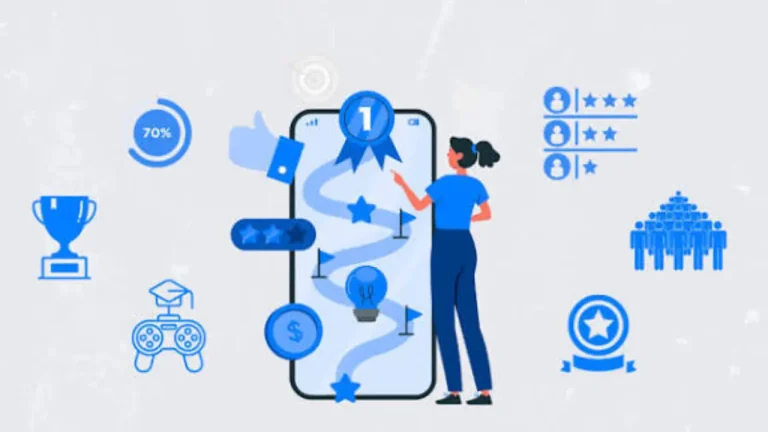
Gamification uses familiar ideas such as points, levels, challenges, progress bars, and rewards. Designers add these features to activities that are not traditional games.
A learning app may award a badge when a student finishes several lessons. A business platform may show a progress bar when a worker completes training.
These features give people clear information about their progress. They can also provide a reason to return and continue an activity.
However, designers should connect every feature with a real purpose. Adding random points or badges does not automatically create a good experience.
How Todays Tech Gamificationsummit Connects Technology and Users
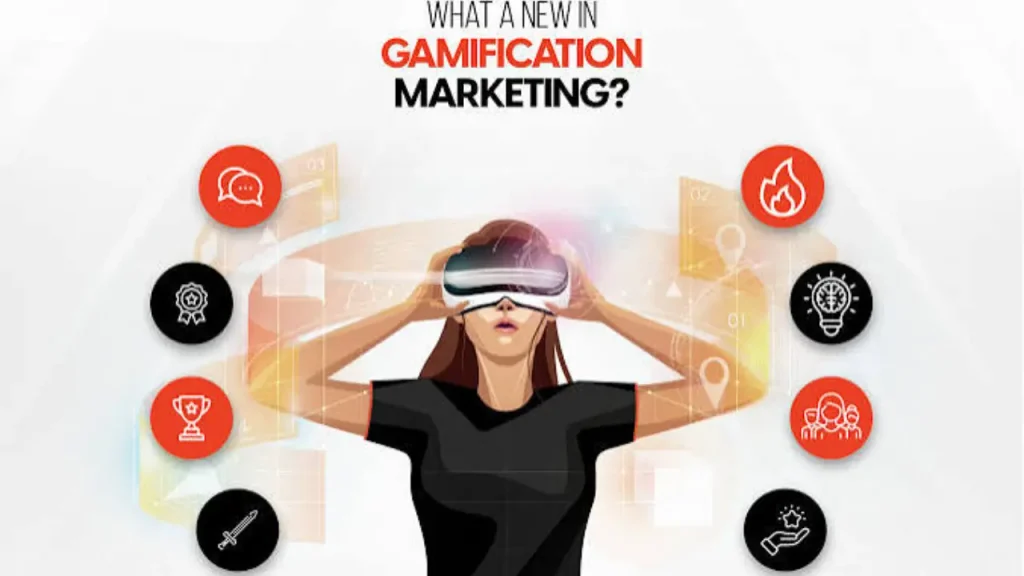
A major theme behind todays tech gamificationsummit is the relationship between technology and human behavior. Digital products work better when users understand what to do next.
Gamification can provide clear goals and immediate feedback. A user can see completed tasks, upcoming goals, earned rewards, or current progress.
Modern platforms can also study how people interact with these systems. Teams can use this data to identify useful features and remove confusing ones.
The goal should not be to keep people online without purpose. Good engagement helps users reach meaningful goals while supporting the platform.
Popular Gamification Features in Digital Platforms
Points remain one of the simplest tools in gamification. A platform can give points when users finish activities that support a clear goal.
Badges work in a similar way but often represent achievements. Users may receive badges for completing training, reaching milestones, or joining special activities.
Leaderboards add a competitive element by showing how participants compare. They often appear in tournaments, fitness apps, education systems, and workplace challenges.
| Feature | Main Purpose | Example |
|---|---|---|
| Points | Measure actions | Completing a lesson |
| Badges | Mark achievements | Finishing a course |
| Levels | Show development | Moving to an advanced stage |
| Leaderboards | Create competition | Tournament rankings |
| Challenges | Encourage action | Weekly learning task |
| Progress bars | Show completion | Course progress |
| Rewards | Recognize effort | Unlocking a benefit |
A platform does not need every feature in this table. Designers should choose mechanics that support the needs of their users.
Artificial Intelligence and Personalized Engagement
Artificial intelligence has made personalization more important across digital products. AI systems can process user data and identify patterns in behavior.
A learning platform could adjust task difficulty based on performance. A gaming system could recommend challenges based on a player’s previous activity.
Gamification can make these personalized systems more visible to users. Progress indicators and milestones can explain what users achieved and what comes next.
However, platforms should use personal data responsibly. Clear privacy practices and user control remain important as personalization becomes more advanced.
Virtual Reality and Interactive Experiences
Virtual reality creates computer-generated environments that users can explore. VR has applications in entertainment, training, education, design, and other fields.
The Today’s Tech section of GamificationSummit has discussed VR with live streaming and digital entertainment. These tools can turn passive viewing into a more interactive experience.
Gamification can add tasks, levels, progress, or achievements to a virtual environment. For example, trainees may complete virtual exercises and receive feedback after each stage.
This approach can make complex activities easier to understand. Users can learn through action instead of depending only on written instructions.
Todays Tech Gamificationsummit and Esports Technology
Esports has become another important area for todays tech gamificationsummit discussions. Competitive gaming depends on technology for scoring, streaming, rankings, and audience interaction.
GamificationSummit content has discussed esports technology and systems for improving fan engagement. Recent coverage has also explored product demonstrations and technology-focused features.
Leaderboards are especially useful in competitive environments. They make performance visible and help players and viewers understand the state of a competition.
Digital rewards can also encourage fans to interact with events. However, organizers need clear rules so rewards do not create unfair or confusing experiences.
Gamification in Education and Learning
Education is one of the easiest places to understand gamification. Students already work toward goals, complete tasks, and receive feedback.
Digital learning tools can make this process more interactive. Students may earn achievements, follow progress bars, or unlock new learning activities.
todays tech gamificationsummit also connects technology with learning through workshops and educational resources. Archived summit material has grouped content around areas such as education and productivity.
The best educational systems keep learning as the main goal. Rewards should encourage progress instead of distracting students from the subject.
Gamification in Business and the Workplace
Businesses can use gamification in employee training, customer programs, marketing, and internal activities. The right system can make repetitive tasks easier to follow.
For example, a company may divide employee training into several levels. Workers can complete one stage before moving to the next part of the course.
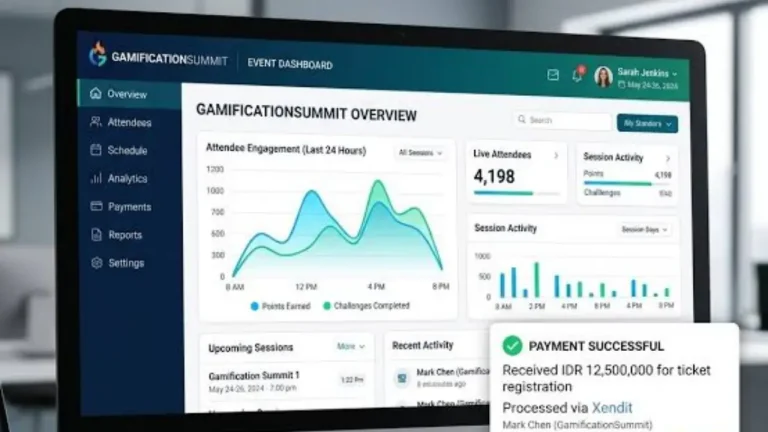
Companies can also use dashboards to show progress toward team goals. This gives employees a simple view of completed work and remaining tasks.
| Business Area | Possible Gamification Method | Main Goal |
|---|---|---|
| Employee training | Levels and badges | Course completion |
| Customer loyalty | Points | Repeat engagement |
| Sales | Goals and progress | Performance |
| Marketing | Challenges | Brand interaction |
| Onboarding | Progress steps | Faster learning |
| Team projects | Milestones | Clear progress |
Companies should measure real results instead of counting points alone. Completion rates, retention, satisfaction, and useful actions can provide better information.
The Role of Data and Analytics
Data helps designers understand whether a gamification system actually works. A large number of points earned does not always mean users received value.
Teams can study completion rates, return visits, activity patterns, and conversion rates. They can then compare results before and after making changes.
The todays tech gamificationsummit approach highlights the importance of measurable engagement. Recent GamificationSummit material also discusses retention and meaningful behavior as useful measures.
Teams should test one change at a time when possible. This makes it easier to understand which feature produced a result.
Reward Systems and User Motivation
Rewards can provide a simple reason to complete an activity. They may include points, digital items, access, badges, or progress toward another goal.
Modern games also use daily challenges and timed rewards. These systems encourage users to return regularly instead of completing everything in one session.
However, a reward needs to feel connected to the activity. A useful reward supports progress rather than becoming the only reason a person participates.
Predictable rewards can build routine, while surprise rewards can create excitement. Designers need to choose the method that matches their product and audience.
Challenges of Modern Gamification
Gamification has benefits, but poor design can create problems. Too many alerts, rewards, or competitions may make an experience tiring.
Leaderboards may also discourage beginners when the same users always appear at the top. Designers can solve this issue by creating smaller groups or personal goals.
Privacy creates another important concern. Platforms should clearly explain what information they collect and why they need it.
Accessibility also matters because users have different needs and abilities. A successful system should remain simple, fair, transparent, and easy to use.
Future of Todays Tech Gamificationsummit
The future of todays tech gamificationsummit will likely follow wider changes in digital interaction. AI, virtual environments, esports, analytics, and personalized platforms will continue shaping user experiences.
Gamification may also become less visible as it becomes a normal part of digital design. Users may simply see better progress tracking, useful feedback, and personalized goals.
Future systems will need to balance engagement with trust. People want useful technology, but they also expect privacy, fairness, security, and control.
This balance will become more important as digital experiences become more personalized. Technology should help people complete goals instead of creating unnecessary complexity.
How Organizations Can Use These Ideas
Organizations should begin with a real problem rather than choosing a gamification feature first. They need to understand what users should learn, complete, or improve.
Teams can then select a simple mechanic that supports that goal. A progress bar may work for training, while a leaderboard may suit a tournament.
Testing should follow implementation. Organizations can study user feedback and performance data before adding more features.
Starting small can reduce risk and reveal what users actually find valuable. Successful ideas can then expand across the platform.
Conclusion
todays tech gamificationsummit brings together important ideas from technology, gamification, esports, education, and digital engagement. It shows how interactive design can change the way people experience online platforms.
Points, levels, rewards, leaderboards, VR, AI, and analytics can all support engagement when designers use them with purpose. The technology itself is only one part of a successful system.
The strongest digital experiences give people clear goals and useful feedback. They also respect privacy, accessibility, fairness, and the user’s time.
As technology continues to develop, gamification will continue changing with it. The future will focus on meaningful progress rather than adding game features simply for attention.