The gamificationsummit concept connects gamification, technology, events, and modern engagement strategies. It gives professionals a space to explore how game-style ideas can improve real-world experiences. Topics such as Gamificationsummit in Business Education and Technology also show how these strategies can support learning, workplace development, and digital innovation.
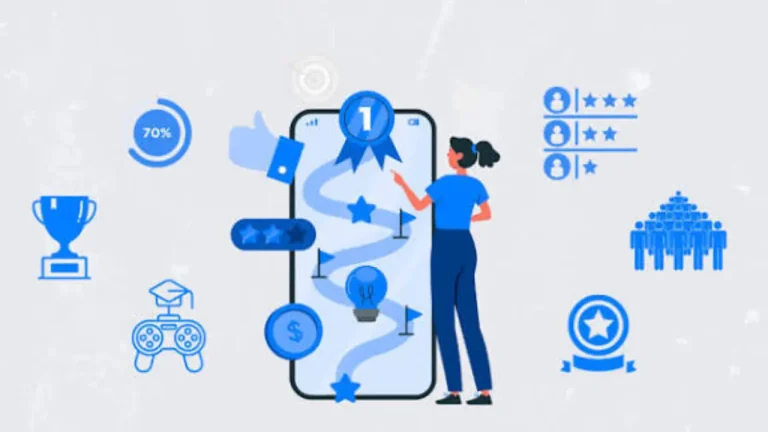
Gamification itself means adding game elements to activities that are not traditional games. Points, rewards, challenges, badges, and leaderboards can make an activity more engaging.
Today, businesses use these ideas in marketing, training, education, customer loyalty, and digital services. Understanding the concept can help people see why gamification continues to attract professional interest.
What Is GamificationSummit?
A gamificationsummit can refer to an event or platform focused on gamification and related technology.
Such events may cover customer engagement, digital transformation, education, marketing, and innovation.
Professionals can use these gatherings to learn how game mechanics work outside normal gaming environments.
Common formats include keynotes, workshops, panel discussions, demonstrations, and networking sessions.
The wider GamificationSummit web space also includes websites that publish content about gaming and technology.
Some sites cover business, event technology, ticket sales, digital payments, and customer experiences.
Understanding Gamification Before Exploring the Summit
Gamification uses selected game mechanics to encourage people to complete actions or reach specific goals.
It does not always mean turning a business, classroom, or training program into a complete game.
Instead, designers can add points, levels, badges, rewards, challenges, goals, or leaderboards.
These features give users visible progress and can encourage them to continue participating.
Research has linked well-designed gamification with engagement and motivation in learning environments.
However, results depend on the audience, context, goals, and quality of the design.
What Happens at a Gamification Summit?
A gamificationsummit may bring marketers, educators, developers, founders, and product professionals together.
Participants can explore practical ways to apply game thinking to different industries.
Speakers may discuss user experience, loyalty systems, workplace learning, customer retention, and digital products.
Technology demonstrations can also show how modern platforms measure participation and reward user actions.
Networking adds another useful part to these events because attendees can exchange ideas directly.
A short conversation may help a professional discover a new strategy, tool, or business connection.
Who Can Benefit From Gamification Events?
Gamification has applications across many fields, so these events can attract a broad professional audience.
Business owners and marketers can study methods that encourage customers to interact with brands.
Teachers and training teams may explore methods for making lessons more active and goal-focused.
Developers and UX designers can study how feedback and progress systems shape digital experiences.
Product managers and startup founders can also learn how engagement mechanics fit into digital products.
The key is to focus on meaningful user value rather than adding points to every activity.
How Businesses Use Gamification
Companies often use gamification to encourage customers or employees to complete useful actions.
A loyalty program, for example, can reward customers when they buy products or complete selected activities.
Employee training programs may award points when workers finish lessons or reach learning milestones.
A progress system can make long training programs easier for workers to understand and follow.
Marketing teams can also use quizzes, challenges, referral goals, and rewards to increase interaction.
However, the activity must remain relevant to the customer instead of becoming an unwanted distraction.
Gamification in Education and Training
Education is another important area discussed in research about gamification and game-based engagement.
Teachers can add goals, badges, challenges, progress tracking, and feedback to learning activities.
Research reviews have found positive links with motivation, engagement, achievement, and social interaction.
Yet researchers also warn that results can vary according to learners and the way systems are designed.
Good educational gamification should support learning instead of making rewards the only reason to study.
Clear goals and useful feedback can help students understand both their progress and learning needs.
Technology Behind Modern Gamification
Technology has made gamified experiences easier to create, track, and improve across digital platforms.
Apps and websites can record user activity and provide feedback soon after an action occurs.
Analytics can show which challenges attract attention and where users leave an experience.
Teams can use this information to improve tasks instead of relying only on assumptions.
Artificial intelligence may also help platforms personalize recommendations, difficulty, and user journeys.
Still, businesses should consider privacy, transparency, security, and user control when collecting data.
Is Xendit Worth It?
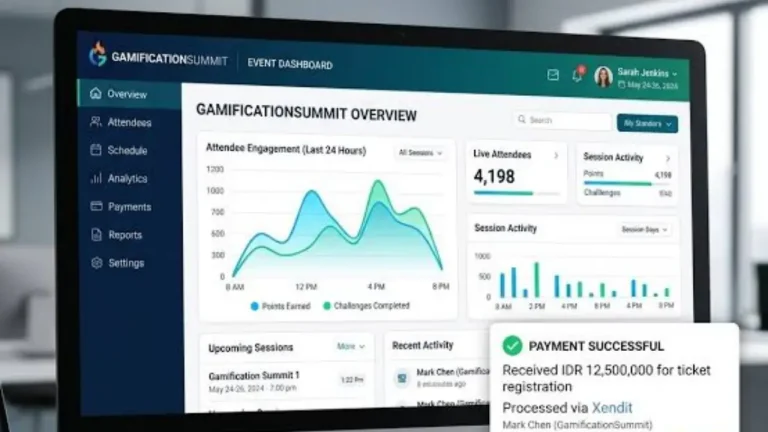
Payment processing becomes important when an event platform needs to sell tickets online. Xendit is a financial technology company that provides payment infrastructure for businesses in Southeast Asia.
The gamificationsummit topic has also appeared online alongside Xendit and event payment discussions. For organizers asking Is Xendit Worth It? Features, Fees, Security and Benefits are important factors to examine before choosing the platform. Event organizers should compare payment methods, fees, supported markets, settlement, and integration needs.
Whether Xendit is worth using depends on the organizer’s location and target audience. A suitable gateway should make checkout simple, secure, reliable, and convenient for attendees.
Organizers should also check current terms directly before selecting any payment provider. Payment features and pricing can change, so an old comparison may no longer reflect current conditions.
Gamification Summit Tickets
Gamification Summit Tickets are an important part of planning any paid professional event.
A smooth ticket process can shape an attendee’s first real experience with the event.
Organizers usually need a system that handles registration, payments, confirmations, and attendee information.
A clear checkout page can reduce confusion and help buyers understand exactly what they receive.
| Ticketing Feature | Why It Matters |
|---|---|
| Simple registration | Reduces unnecessary steps |
| Secure payment | Protects transaction information |
| Mobile support | Helps smartphone users buy tickets |
| Confirmation system | Gives buyers proof of registration |
| Ticket categories | Supports different attendee needs |
| Reporting | Helps organizers track sales |
| Refund information | Sets clear expectations |
Ticket pages should clearly display the event date, venue, ticket type, and important conditions.
Organizers should also explain refund or transfer rules before attendees complete their purchases.
Why Ticketing and Gamification Can Work Together
Ticketing does not have to function as a simple payment transaction for every type of event. Organizers can use carefully designed engagement ideas before and after registration.
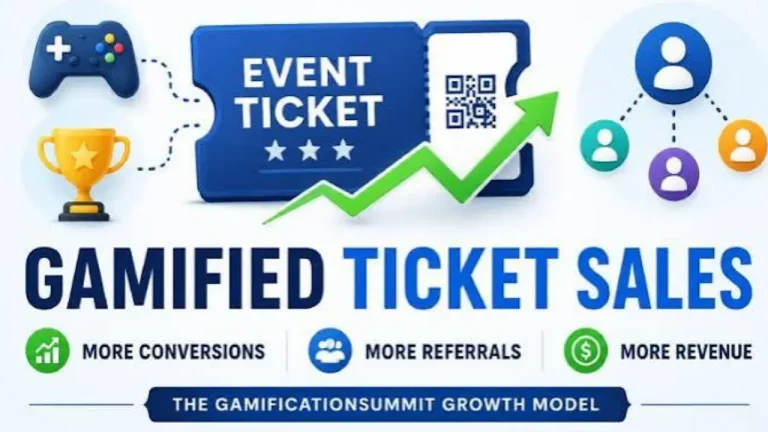
For example, early participants could unlock event information or complete useful pre-event challenges. A referral program may also reward attendees who help introduce relevant people to the event. The Gamification Summit Tickets Guide for Attendees can help participants understand ticket options, registration details, and what to consider before attending.
However, rewards should never make the ticket buying process confusing or difficult to understand. Fast checkout and clear information should remain more important than unnecessary game mechanics.
Networking and Professional Learning
Networking remains one of the strongest reasons professionals attend conferences and industry events.
People can meet others who face similar problems and exchange practical ideas about their work.
A gamificationsummit environment can connect professionals from marketing, education, technology, and design.
This mix can produce discussions that go beyond one narrow industry or business problem.
Workshops can provide a more practical experience than standard presentations alone.
Participants may study a problem, design an engagement system, and discuss possible improvements together.
Benefits and Challenges of Gamification
Gamification can make progress easier to see and give users clear reasons to remain involved.
Well-designed feedback can also help people understand what they achieved and what comes next.
However, adding badges and points does not guarantee better engagement or stronger results.
Research shows that effectiveness depends heavily on context, design, motivation, and user characteristics.
| Potential Benefit | Possible Challenge |
|---|---|
| Higher engagement | Users may lose interest |
| Visible progress | Poor metrics can mislead users |
| Stronger motivation | Rewards may feel meaningless |
| Friendly competition | Rankings may discourage some users |
| Faster feedback | Too many alerts can distract |
| Better participation | Complex systems can confuse users |
Organizations should therefore test their systems and collect feedback from actual participants.
They can then improve weak areas instead of assuming every game mechanic will work.
Future of Gamification and Interactive Events
The future of gamificationsummit topics will likely remain closely connected with digital engagement.
Organizations continue to explore interactive ways to improve learning, events, and customer experiences.
Personalization may become more important as platforms learn to adapt experiences to individual users.
Event technology may also connect registration, mobile experiences, networking, and engagement more closely.
Yet the strongest systems will still need simple rules and meaningful reasons to participate.
Technology can support engagement, but it cannot replace useful content or a well-designed experience.
How to Get More Value From a Gamification Summit
BBefore attending an event, visitors should identify the main problem they want to understand or solve. This approach makes it easier to choose useful sessions instead of trying to attend everything. Learning about GamificationSummit Ticket Sales Strategies can also help attendees understand how events use engagement and promotion to attract the right audience.
Attendees should also leave time for workshops and conversations with other professionals. Practical discussions can be as valuable as formal presentations when they address real challenges.
After the event, participants can review their notes and select a few realistic ideas to test. Small experiments often provide better information than changing an entire system at once.
Conclusion
A gamificationsummit provides a useful way to explore how game-inspired design can support real activities.
Its wider themes can include business, education, technology, marketing, events, and digital engagement.
The main lesson is that successful gamification needs more than points, badges, or rewards. It requires clear goals, useful feedback, audience understanding, and thoughtful experience design. The gamificationsummit concept also connects naturally with modern event technology and ticket management. As digital experiences evolve, thoughtful gamification can help make participation more useful and engaging.