Gamificationsummit in Business Education and Technology
Gamificationsummit is a useful topic for people who want to understand gamification and modern engagement. It connects ideas from business, education, marketing, technology, events, and workplace learning. Readers exploring GamificationSummit Events, Tickets, and Digital Engagement can also learn how these concepts shape interactive experiences for different audiences.
Gamification uses game-style elements in activities that are not traditional games. These elements can make ordinary tasks more interactive and encourage people to stay involved..
What Is GamificationSummit?
A gamificationsummit focuses on the ideas, strategies, and technologies behind modern gamification. The subject explores how game mechanics can improve engagement in workplaces, schools, marketing, and digital platforms.
Gamification does not mean turning every activity into a video game. It means using selected game elements to make an existing activity more engaging and rewarding.
| Key Area | Main Purpose |
|---|---|
| Gamification | Make activities more engaging |
| Education | Encourage active learning |
| Business | Improve employee participation |
| Marketing | Build customer engagement |
| Technology | Create interactive experiences |
| Events | Improve attendee participation |
Points, badges, challenges, rewards, levels, and leaderboards are common gamification elements. Organizations select these tools according to their audience and goals.
How Gamification Works
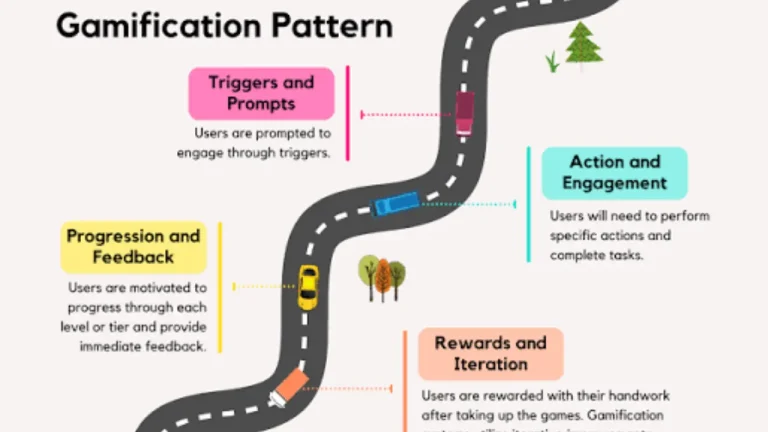
Gamification gives people clear goals and allows them to see their progress. A person may complete a task, earn points, unlock a level, or receive recognition.
These small rewards can create a stronger sense of achievement. Good systems also provide feedback so users know what they have completed and what they should do next.
For example, a company can award badges when employees finish training modules. A school can use progress levels to show students how far they have moved through a course.
What Actually Happens at a Gamification Summit?
Gamification-focused events may include talks, workshops, demonstrations, panel discussions, and networking. Experts can explain how they use game mechanics to solve real engagement problems.
Workshops can give participants a chance to test ideas instead of only hearing about them. Attendees may study reward systems, user journeys, challenges, progress tracking, and measurement methods.
Networking also creates value because attendees can share their own experiences. A teacher, marketer, designer, and HR manager may approach gamification from very different angles.
Who Can Benefit from GamificationSummit?
A gamificationsummit can interest business leaders, educators, marketers, developers, HR teams, and product designers. Each group can use gamification for a different purpose.
Business leaders may focus on performance, while educators may focus on learning. Marketers often study loyalty and engagement, while designers may focus on the user experience.
The topic can also help people who manage online communities and digital events. They can learn how progress, recognition, and challenges encourage users to participate.
Gamification in the Workplace
Companies can apply gamification to employee training, onboarding, sales goals, and professional development. A clear progress system can make long tasks easier for employees to understand.
For example, employees can earn recognition after completing training stages. Teams can also use milestones to track progress toward shared business goals.
However, companies should avoid creating unhealthy competition. A strong program should support meaningful goals instead of rewarding activity that has little value.
Gamification in Education and Learning
Education is one of the best-known areas for gamification research. Teachers can use badges, levels, challenges, and progress systems to make learning more interactive.
Research reviews have linked well-designed gamification with engagement, motivation, social connection, and learning outcomes. However, results can vary depending on how educators design and apply the system.
Students still need meaningful lessons and useful feedback. Gamification should support education rather than replace good teaching.
Gamification in Marketing
The gamificationsummit concept also has a strong connection with digital marketing. Brands can use challenges, rewards, loyalty points, and progress systems to encourage customer interaction.
A loyalty program offers a simple example. Customers collect points through purchases and later exchange those points for rewards or benefits.
Gamification can also support online campaigns and product experiences. The best approach gives users a clear reason to participate instead of adding game features without purpose.
Gamification and Modern Events
Events can use gamification before, during, and after an event. Organizers may reward early registration, session participation, networking, surveys, or other useful actions.
Digital event platforms can also track activities and display progress. This approach can turn attendees from passive viewers into more active participants.
Ticketing and payment technology also play a practical role in modern events. A smooth registration process helps visitors move from interest to confirmed attendance with fewer barriers.
Popular Gamification Elements
Different projects need different mechanics. A simple points system may work for one project, while another project may need challenges, levels, or team activities.
| Element | How It Works | Possible Goal |
| Points | Rewards completed actions | Encourage participation |
| Badges | Recognize achievements | Create recognition |
| Levels | Show progress | Support long-term activity |
| Leaderboards | Compare performance | Add competition |
| Challenges | Give specific tasks | Encourage action |
| Rewards | Provide benefits | Increase motivation |
| Progress Bars | Show completion | Keep goals visible |
Designers should not use every element at once. The right mechanic should match the user’s needs and the purpose of the activity.
Why Engagement Matters?
Engagement sits at the center of gamificationsummit discussions because a system has little value if people avoid using it. Good gamification gives users meaningful goals, timely feedback, and a visible sense of progress.
People also need to understand why an activity matters. Rewards can attract attention, but a useful experience gives people stronger reasons to return.
Gamification can support social interaction as well. Team challenges and community activities can encourage communication when designers build them around shared goals.
Benefits of Using Gamification
Gamification can make routine experiences more active and enjoyable. It can help users understand goals, notice achievements, and receive feedback during an activity.
Organizations can also collect useful engagement data from digital systems. They can study task completion, participation, progress, and other relevant measures.
However, results depend heavily on design. Research shows that gamification can help in some settings, but thoughtful design remains important for meaningful results.
Challenges of Gamification
The gamificationsummit topic also includes the problems that appear when organizations design weak gamification systems. Adding points to every activity does not automatically make that activity valuable.
Users may lose interest when rewards feel repetitive or meaningless. Competitive leaderboards can also discourage people who repeatedly appear near the bottom.
Privacy and fairness deserve attention as well. Organizations should explain what data they collect and create systems that treat participants fairly.
How to Build an Effective Gamification Strategy
A good strategy starts with a clear goal. Organizations should first decide whether they want better learning, stronger engagement, more participation, or another measurable result.
They should then study the people who will use the system. Different audiences respond differently to rewards, competition, recognition, collaboration, and personal progress.
Testing is equally important. A small pilot can reveal confusing rules or weak rewards before an organization expands the system to a larger audience.
Future of Gamification and Digital Engagement
Gamification continues to develop alongside digital learning, mobile apps, online communities, and workplace platforms. More personalized systems may adjust challenges and feedback according to individual user behavior.
Artificial intelligence can also support adaptive digital experiences. However, organizations still need clear goals, fair rules, useful rewards, and responsible data practices.
The future will likely focus less on adding simple points everywhere. Designers can instead create experiences that connect motivation, technology, feedback, and meaningful progress.
Final Thoughts
Gamificationsummit brings together ideas about game design, motivation, engagement, learning, business, and technology. It helps explain how game mechanics can support useful activities outside traditional games.
The strongest gamification systems do more than offer badges or points. They give people clear goals, meaningful feedback, visible progress, and a reason to stay engaged.
As digital experiences continue to grow, gamification will remain an important design approach. Businesses, educators, marketers, and event teams can use its principles to build more interactive experiences.