
Cutting Edge Gamificationsummit and Digital Engagement
Technology keeps changing how people learn, work, shop, and communicate online. Gamification adds game-style ideas to these activities to make them more interactive and engaging. Readers who want to understand event platforms can also explore Website for Ticket Sale GamificationSummit Complete Guide for related information.
The cutting edge gamificationsummit explores modern ideas around engagement, technology, gaming, and digital experiences. It focuses on how game mechanics can support business, education, marketing, apps, and online communities.
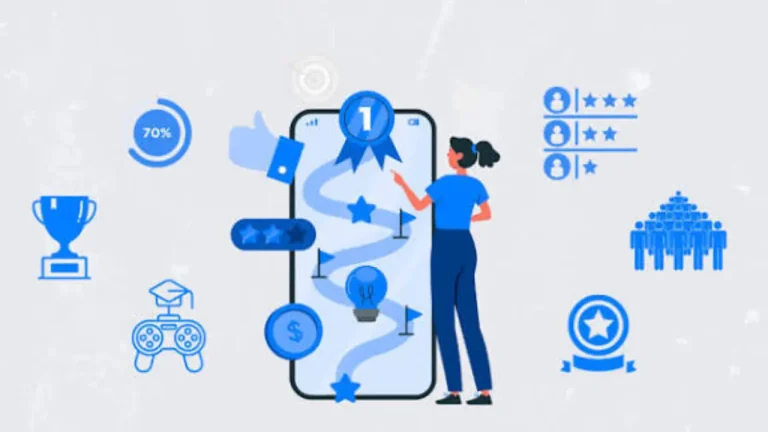
Gamification does not mean turning every activity into a video game. Instead, it uses elements such as points, goals, rewards, challenges, progress levels, and feedback to encourage participation.
What Is Cutting Edge Gamificationsummit?
The cutting edge gamificationsummit can be understood as a space for exploring new developments in gamification. Current coverage connects the topic with AI, behavioral design, analytics, cross-platform systems, and interactive experiences.
Professionals can study how these tools affect engagement and user behavior. Product managers, marketers, designers, developers, educators, and business leaders may all find these ideas useful.
The main purpose is practical learning rather than entertainment alone. Modern gamification focuses on measurable goals such as retention, participation, learning progress, and customer interaction.
Main Areas of Gamification
Gamification has grown far beyond simple points and digital badges. Modern systems combine technology, psychology, data, and user experience design.
| Area | Common Gamification Use |
|---|---|
| Education | Quizzes, badges, levels and progress |
| Marketing | Rewards, challenges and loyalty programs |
| Business | Employee goals and achievement systems |
| Mobile Apps | Streaks, missions and daily rewards |
| Fitness | Goals, milestones and competitions |
| E-commerce | Loyalty points and reward programs |
| Training | Interactive tasks and simulations |
| Communities | Rankings, achievements and challenges |
Each industry uses gamification differently. A learning app may reward completed lessons, while a store may give points for purchases.
Why Gamification Is Becoming Important
Digital platforms compete heavily for people’s attention. Users can quickly leave an app or website when an experience feels confusing or boring.
The cutting edge gamificationsummit highlights methods that can make digital experiences more active. Clear goals and useful feedback can help users understand what they should do next.
Good gamification also gives people a sense of progress. A progress bar, milestone, or completed challenge can show that their effort has produced a result.
However, designers should connect game mechanics with a real purpose. Adding random points or badges may not create lasting engagement.
AI-Powered Personalization
Artificial intelligence is becoming an important part of modern gamification. Current Gamification Summit coverage describes AI systems that can adjust challenges, rewards, and difficulty based on user activity.
Personalization can make an experience more relevant. Beginners may receive easier tasks, while experienced users may receive more advanced challenges.
AI can also study patterns in user activity. A platform can use those patterns to decide when to show feedback, recommend content, or adjust a task.
| AI Feature | Possible Purpose |
|---|---|
| Adaptive difficulty | Match tasks with user ability |
| Smart recommendations | Suggest relevant activities |
| Personalized rewards | Match incentives with behavior |
| User analysis | Understand engagement patterns |
| Adaptive learning | Change lessons based on progress |
| Automated feedback | Provide quicker responses |
AI should still support user choice. Platforms need clear rules around privacy, data collection, fairness, and automated decisions.
Behavioral Design and User Motivation
Behavioral design studies how people respond to goals, feedback, choices, and rewards. It plays an important role in modern gamification.
The cutting edge gamificationsummit connects behavioral design with short feedback loops and clear objectives. Users can understand their progress when a system provides quick and useful responses.
Rewards should match the purpose of the activity. Small rewards may work for short tasks, while larger milestones may suit long learning or fitness programs.
Designers also need to avoid excessive pressure. Healthy systems should motivate users without making them feel forced to participate.
Points, Badges and Leaderboards
Points remain one of the easiest gamification tools to understand. A user completes an action and receives points that represent progress or achievement.
Badges can mark important milestones. They may show that someone completed a course, reached a goal, joined an event, or mastered a skill.
Leaderboards introduce a social element by showing progress between participants. They work best when competition fits the activity and remains fair.
These features are useful, but they are only tools. A strong gamification system connects rewards with meaningful actions.
Cross-Platform Gamification
People now move between phones, computers, tablets, websites, and other digital devices. Modern gamification therefore needs to work across different platforms.
Current summit material highlights cross-platform progression as an important development. Users can keep their achievements and progress when they move from one supported device to another.
This approach can create a smoother experience. A learner could complete a lesson on a laptop and continue the next activity on a phone.
| Cross-Platform Feature | Benefit |
|---|---|
| Shared account | One identity across devices |
| Progress syncing | Keeps achievements updated |
| Shared rewards | Makes rewards easier to manage |
| Cloud data | Supports access from several devices |
| Consistent experience | Reduces confusion for users |
Developers must also protect account data. Secure sign-ins and reliable data syncing are essential for these systems.
Gamification in Education
Education is one of the clearest areas for gamification. Teachers and learning platforms can use quizzes, missions, levels, progress bars, and achievements.
The cutting edge gamificationsummit concept is especially relevant to interactive learning. New systems can adapt activities to a learner’s progress and provide faster feedback.
Students may feel more involved when they can see clear progress. Breaking a large course into smaller goals can also make learning feel easier to manage.
Gamification should support education rather than replace it. Learning quality must remain more important than collecting rewards.
Gamification in Business
Businesses use gamification for customer engagement, employee training, loyalty programs, and digital products. The goal usually involves encouraging a useful action.
An employee training platform may divide lessons into levels. A sales team might use milestones to track goals, while a loyalty app may reward repeat activity.
Companies should define their goals before building a gamified system. They also need data that shows whether the system actually improves useful outcomes.
Important measures may include completion rates, active users, retention, repeat visits, and customer satisfaction.
Gamification in Marketing
Marketing teams can use challenges and rewards to encourage people to interact with a brand. Loyalty programs are one common example.
Customers may earn points after completing certain actions. They can later exchange eligible points for benefits provided by the program.
Interactive campaigns may also include quizzes, contests, missions, or progress systems. These tools can make a campaign more participatory than a standard advertisement.
Brands should keep the rules simple and transparent. Users should understand how they earn rewards and what those rewards provide.
Data and Analytics
Modern gamification depends heavily on measurement. Analytics can show which features attract users and where people stop participating.
The cutting edge gamificationsummit emphasizes measurable experiments as part of product development. Teams can test a feature with a defined goal and study the results before expanding it.
| Metric | What It Can Show |
|---|---|
| Active Users | Number of participating users |
| Completion Rate | Users finishing an activity |
| Retention | Users who return |
| Session Length | Time spent using a product |
| Challenge Completion | Success of specific activities |
| Churn | Users who stop returning |
| Conversion | Users completing a target action |
Numbers need context. A longer session is not automatically better if the user is struggling to complete a simple task.
Social and Community Features
Gamification can become stronger when users interact with other people. Teams, community goals, friendly competitions, and shared achievements can create social motivation.
A fitness platform might let friends complete a weekly challenge together. A learning platform could allow students to share achievements or work toward a class goal.
Community features should not embarrass users who progress more slowly. Designers can offer personal goals alongside public challenges.
Responsible Gamification
Gamification brings benefits, but designers also have responsibilities. A system should not use confusing mechanics to pressure people into unnecessary spending or excessive activity.
The cutting edge gamificationsummit discussion also connects modern design with healthier engagement. Break reminders, reasonable limits, and transparent rewards can support a better user experience.
Privacy is equally important when platforms use personal data for AI personalization. Users should know what information a service collects and why it uses that information.
Accessibility should also remain part of the design process. Challenges and rewards need to work for people with different abilities and needs.
Latest Innovations in Gamificationl9
Gamification will likely become more personalized and connected as technology develops. AI, real-time analytics, immersive interfaces, and cross-device systems can expand what designers can build.
The biggest change may be a move away from basic reward systems. Future platforms can focus more on individual goals, meaningful progress, collaboration, and adaptive experiences.
Businesses will also need stronger measurement. Instead of asking whether people collected points, teams can study whether gamification improved learning, retention, satisfaction, or another useful outcome.
Conclusion
The cutting edge gamificationsummit represents the changing relationship between technology, motivation, and interactive design. Its major themes include AI personalization, behavioral design, analytics, rewards, cross-platform progress, and responsible engagement.
Gamification works best when it gives users clear goals, useful feedback, meaningful progress, and genuine choice. Businesses, educators, developers, and marketers can use these principles to create experiences that are both engaging and useful. Event organizers can also explore the GamificationSummit Method Ticket Sales Guide for Event Growth to understand how gamification strategies can support event promotion and audience engagement.
As digital technology evolves, gamification will continue to change with it. The strongest systems will not simply make activities feel like games. They will use thoughtful design to help people understand goals, track progress, and complete meaningful actions.